Roles: Programmer, Game Design, Tech art Tools Used: Unity, Trello, Figma Release Date: April 2025 Development Time: 6 Weeks Team Size: 8 Available at: Itch.io, Github
Fifi’s Fossil Finding Frenzy was created as a rapid development project during a 6 week module as part of my Masters Degree, which we got the chance to then showcase at the Falmouth University Game Expo 2025, where we won ‘Best Masters Game’!
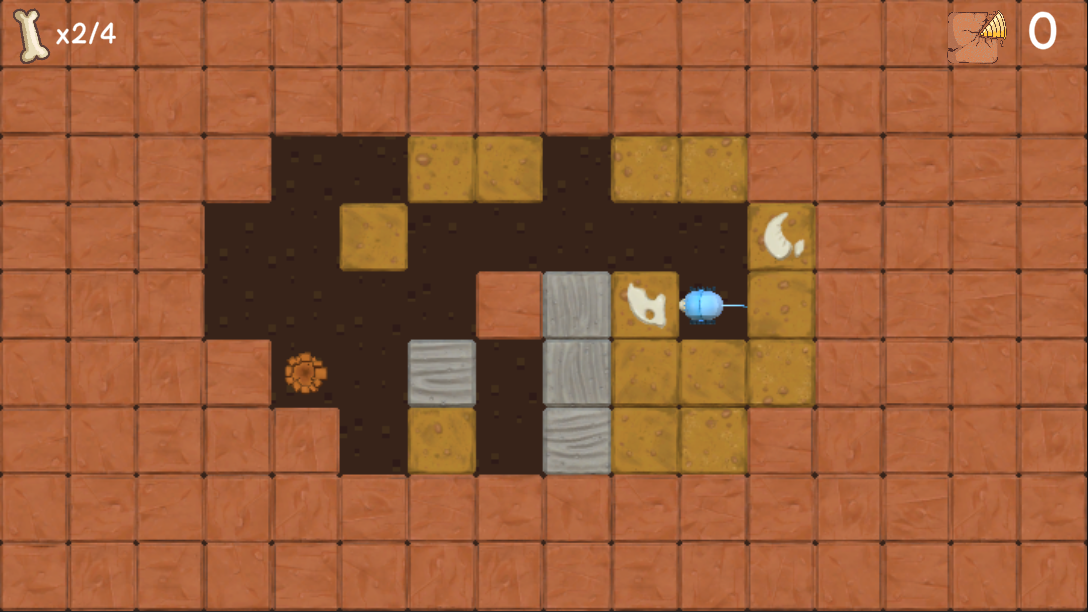
“Play as Fifi and their trusty Dino-Mite 3000 to discover dig sites, unearth bones, and create your own custom fossils. Locate hidden dig sites with your pet! Strategically dig to uncover bones! Mix and match bones to make silly fossils!”
Key Contributions Include:
> Bone Construction Minigame Design & Level Layout
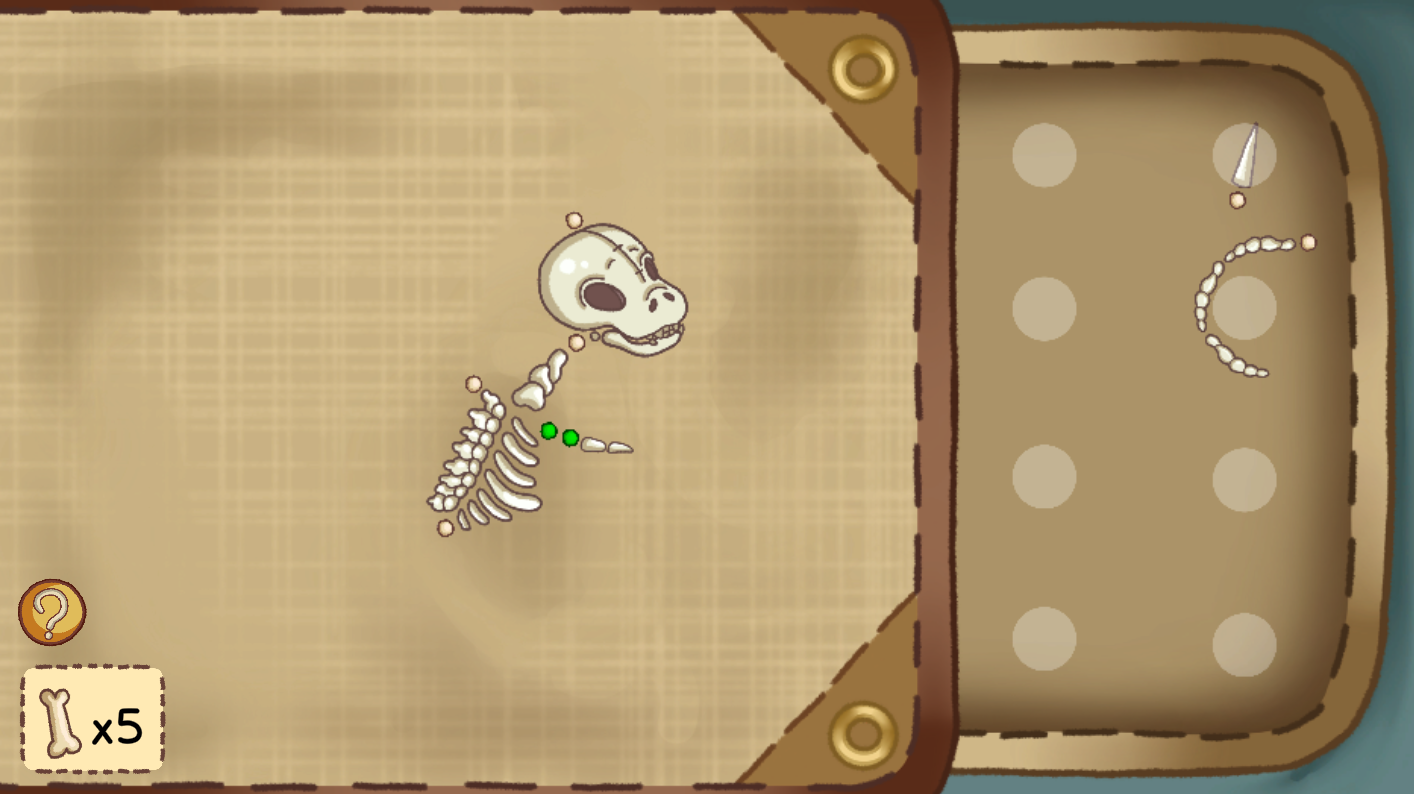
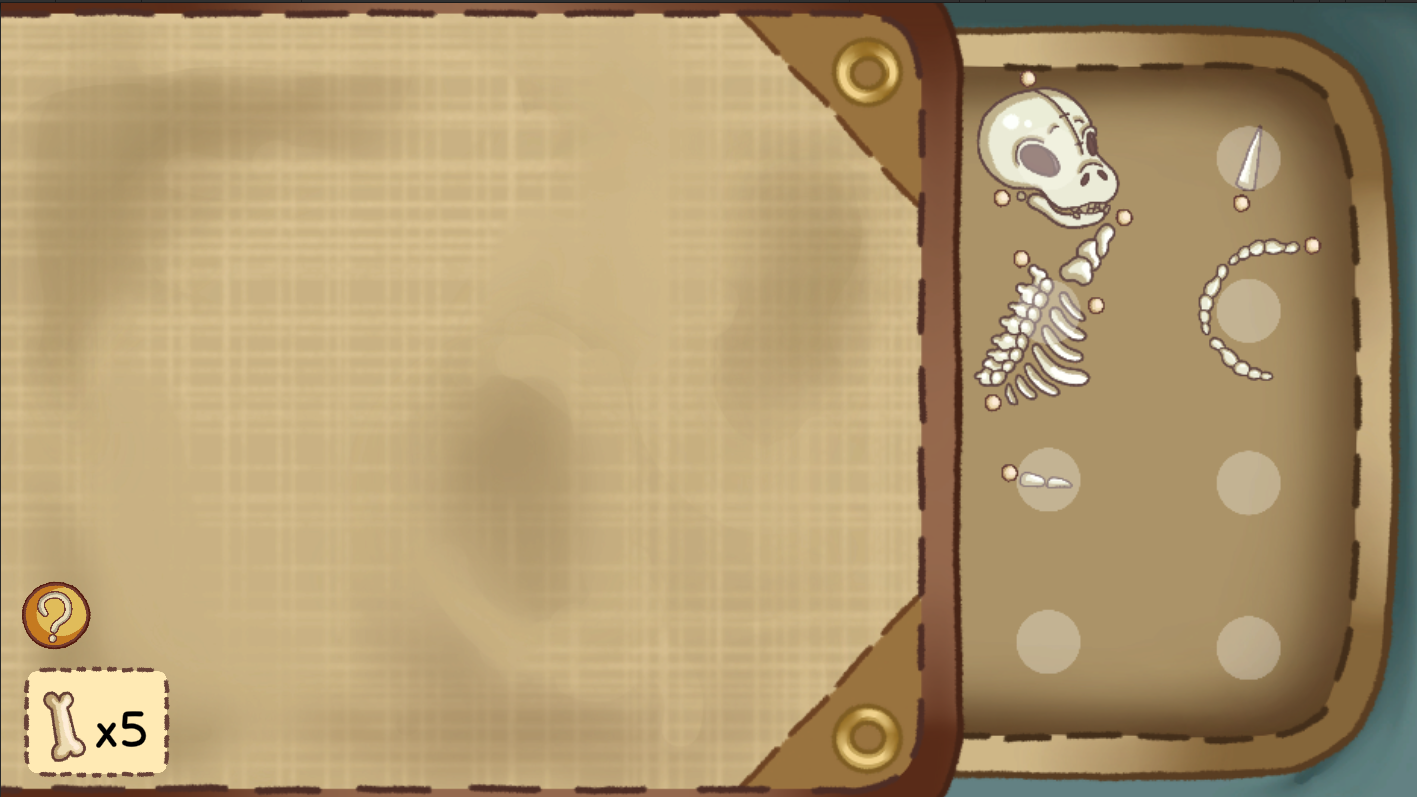
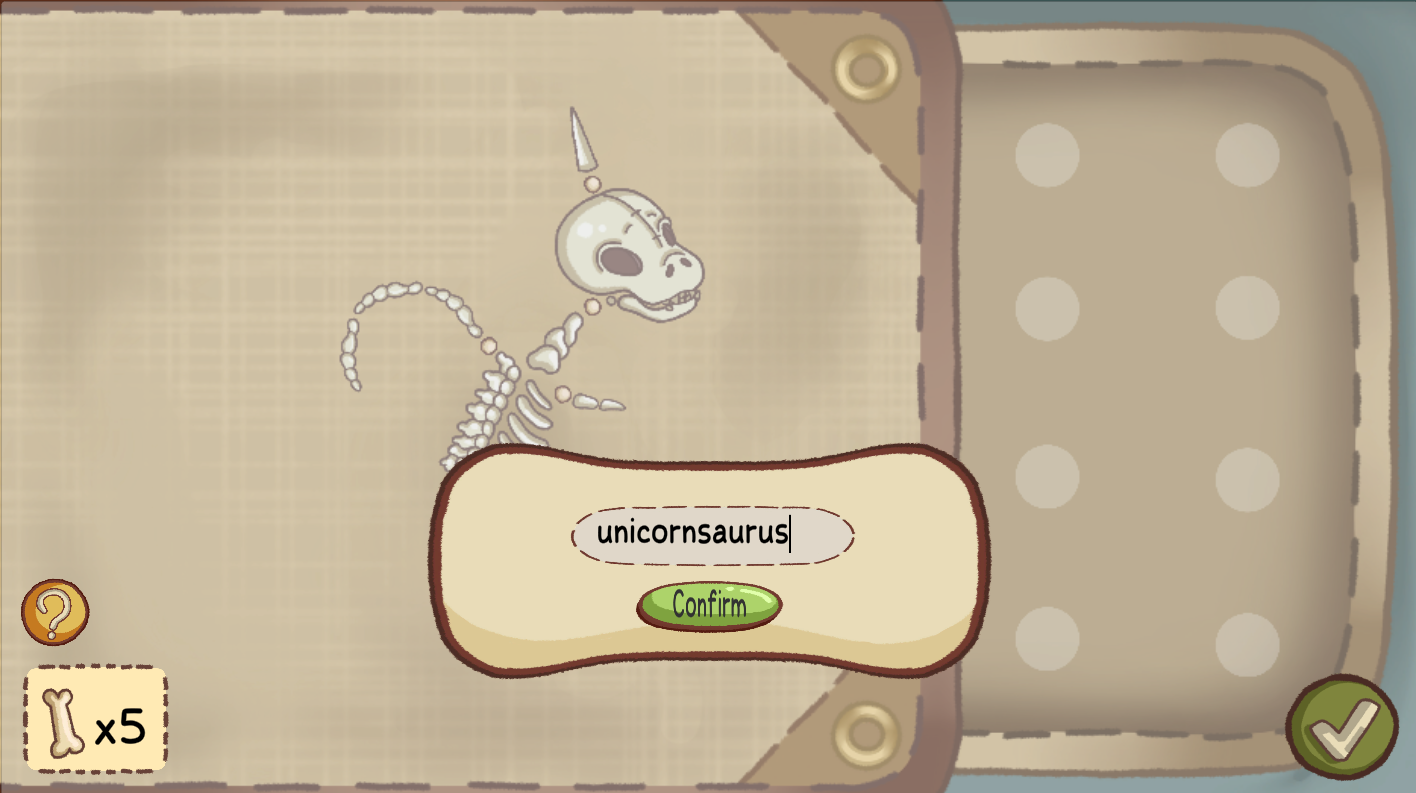
Designed the level flow and interaction logic for the fossil construction minigame, focusing on clarity, pacing, and player creativity. Ensured the minigame could be completed intuitively while supporting experimental creations.
> Bone Construction System Implementation Implemented the core construction mechanics, including snapping 2D bone pieces together, rotating and pivoting bones around joints, and validating connections before allowing snaps. Built a system for randomly selecting bones from a shared pool, ensuring each dinosaur build was unique.
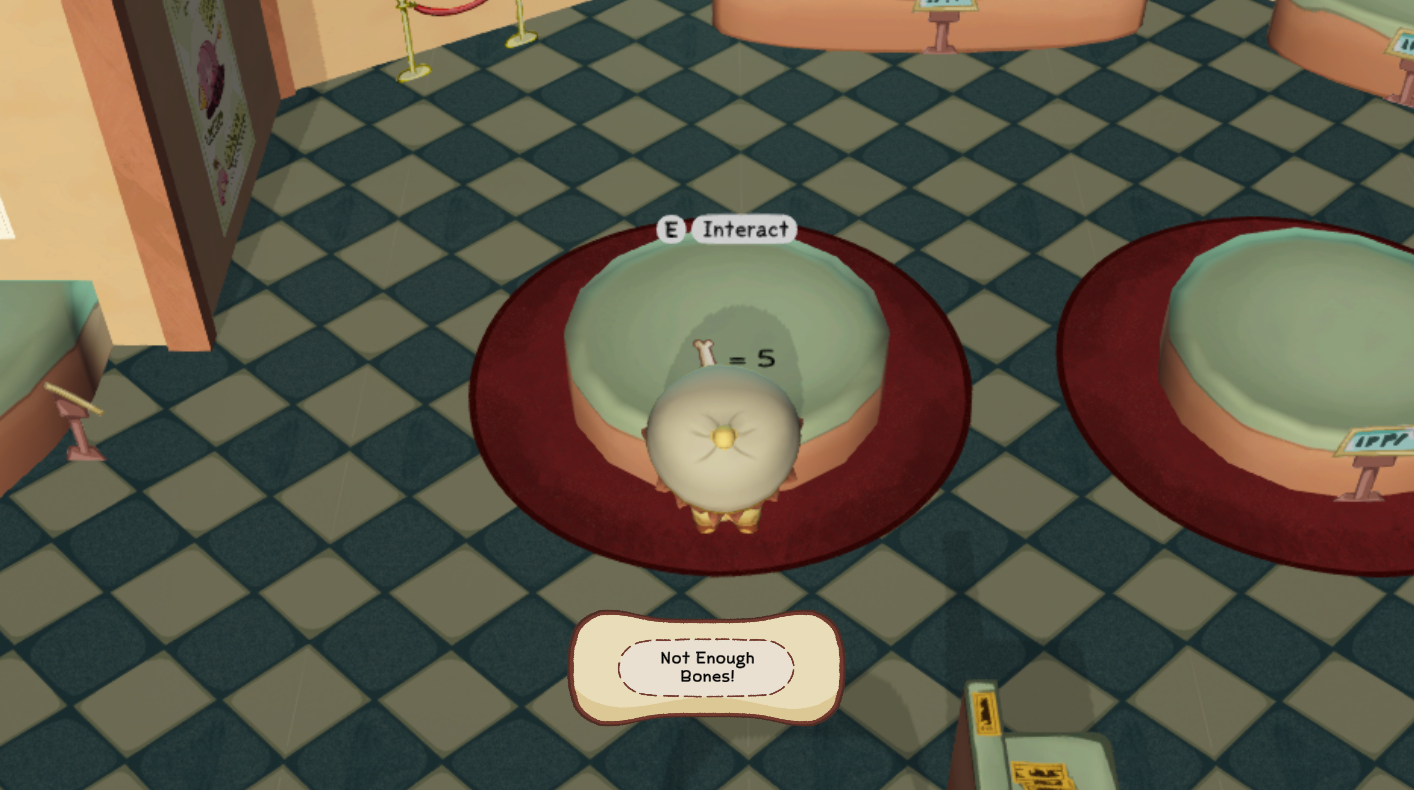
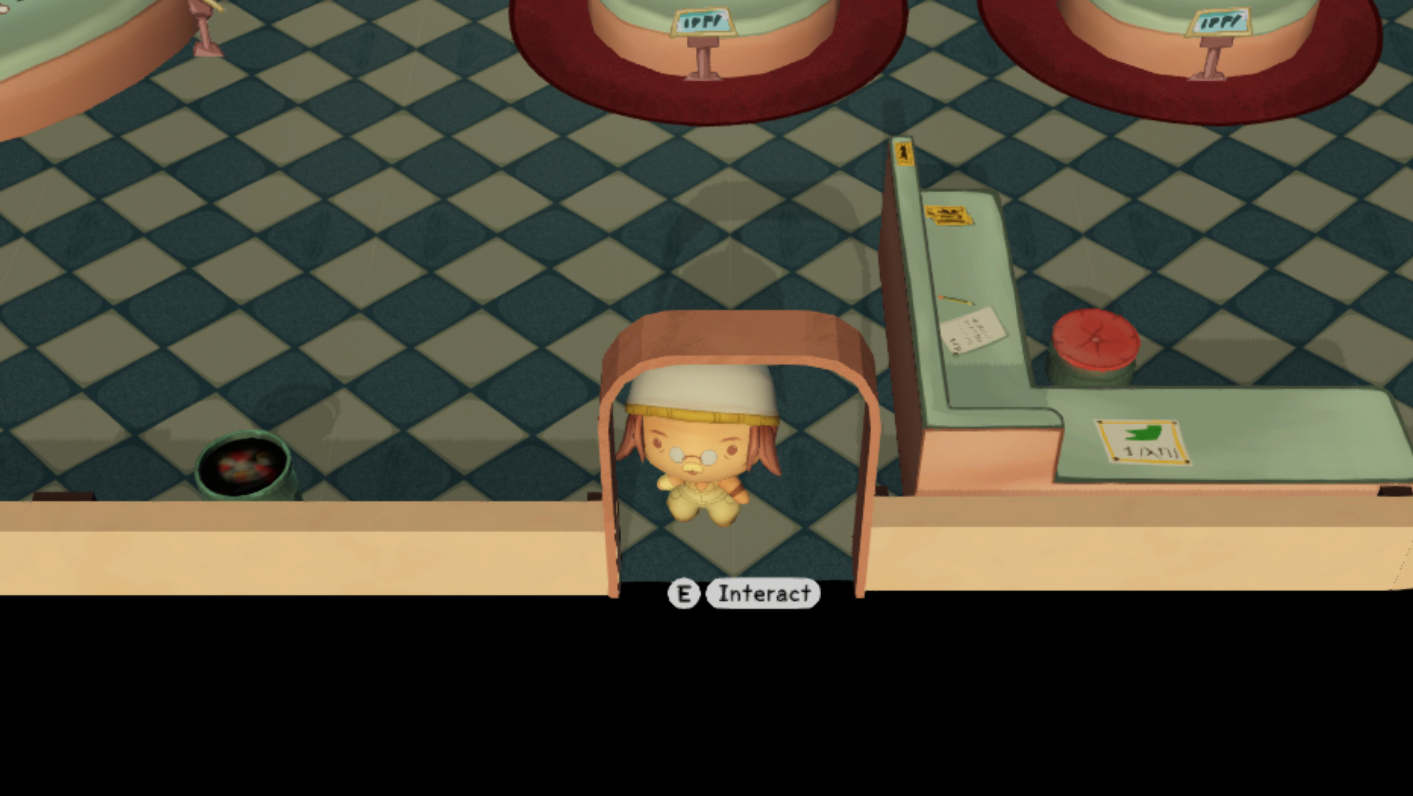
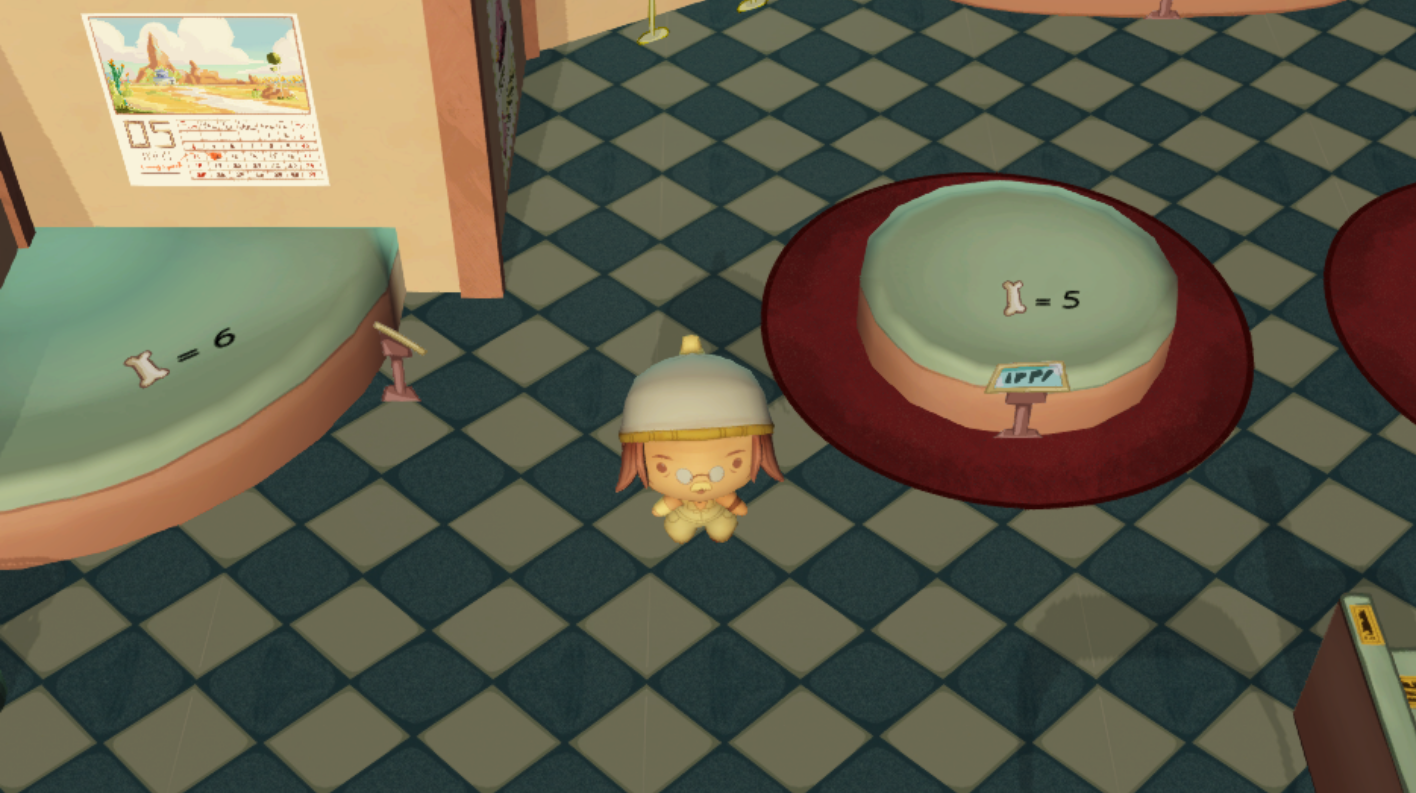
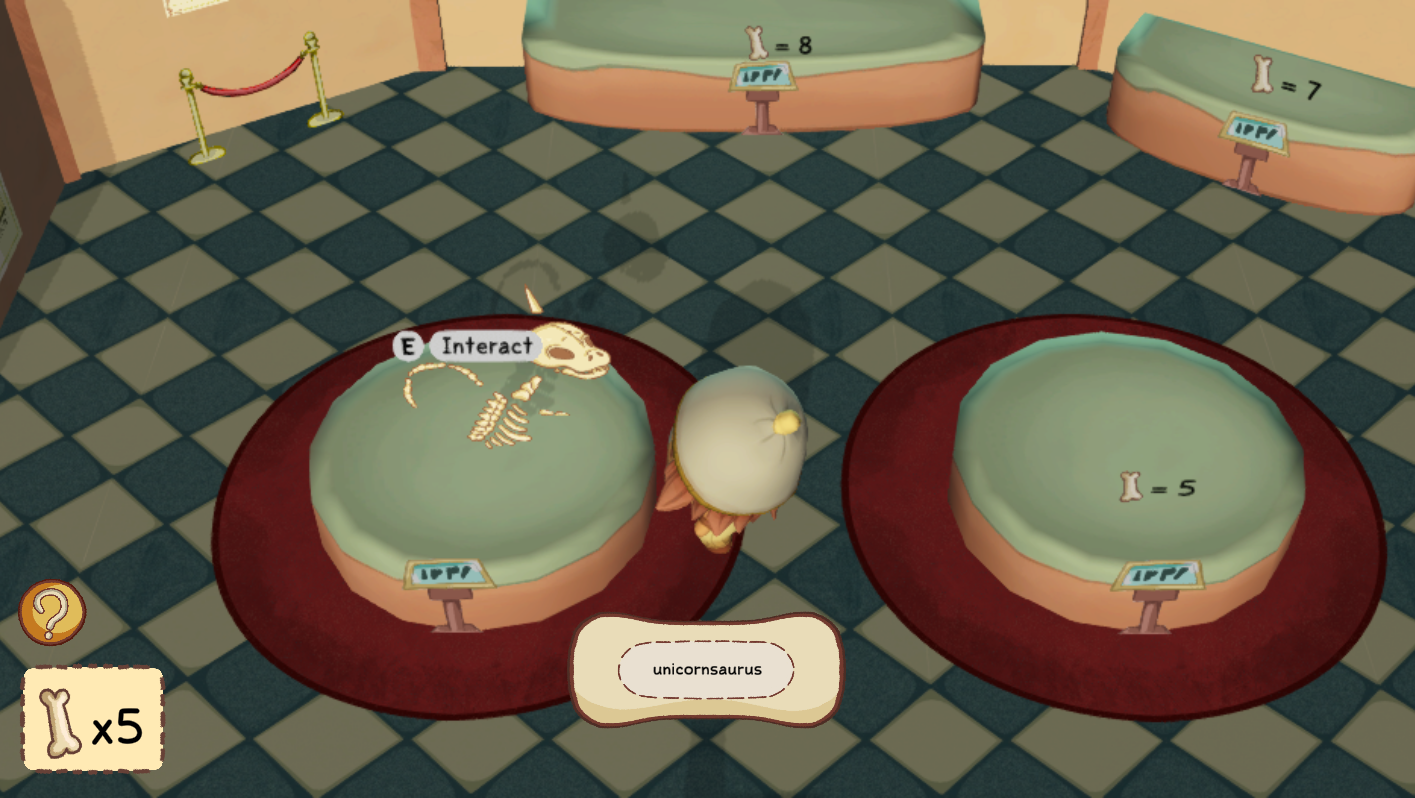
> Dynamic UI & World-Space Presentation Created systems to display collected bone counts dynamically above museum podiums, updating in real time based on player progress. Once construction was complete, replaced bone requirement UI with the player’s assembled dinosaur, displayed directly in world space for a seamless transition between 2D construction UI and 3D presentation.
> Player Feedback & Naming Systems Implemented custom player naming for completed dinosaurs. Updated podium interaction logic to display the player assigned dinosaur name instead of remaining bone requirements.
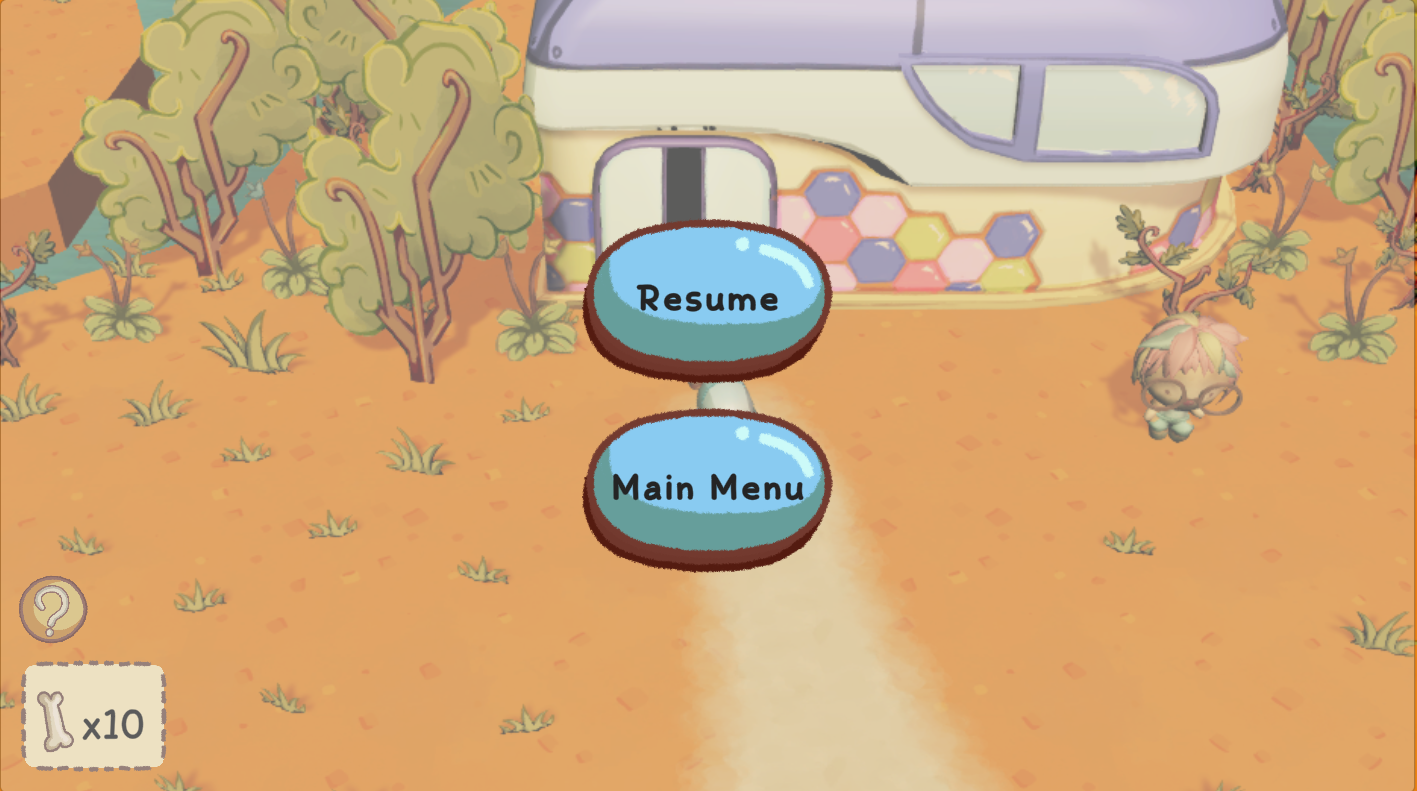
> Menu & Interaction Systems Implemented core menu flows and contributed to a generalised interaction system used across the minigames and exploration segments.
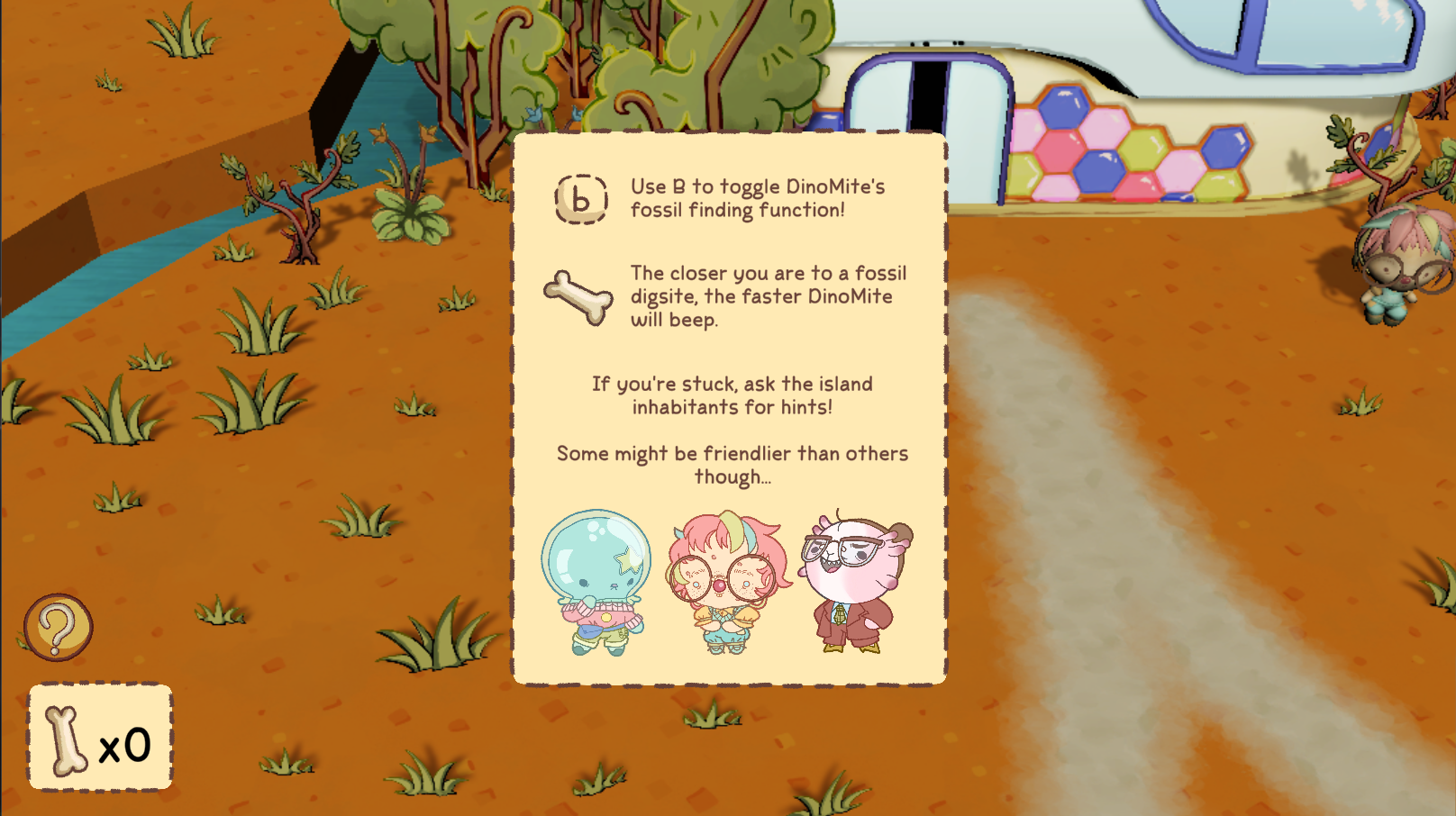
> Audio Programming & Proximity Feedback Programmed adaptive audio feedback for the robotic dog companion, where sound frequency increased as the player approached buried bones and slowed when moving away, functioning similar to a metal detector to guide exploration.
> Set Dressing, Art Integration & Lighting Collaborated with artists on the museum environment, handling set dressing, asset implementation, and texture management. Integrated assets into the engine and completed a full lighting pass across the game to support readability and atmosphere.
> Bug Fixing & Iteration Support Actively identified and resolved bugs across minigames, the bone-digging segment, and shared systems throughout the six-week development cycle, supporting rapid iteration and team collaboration.